
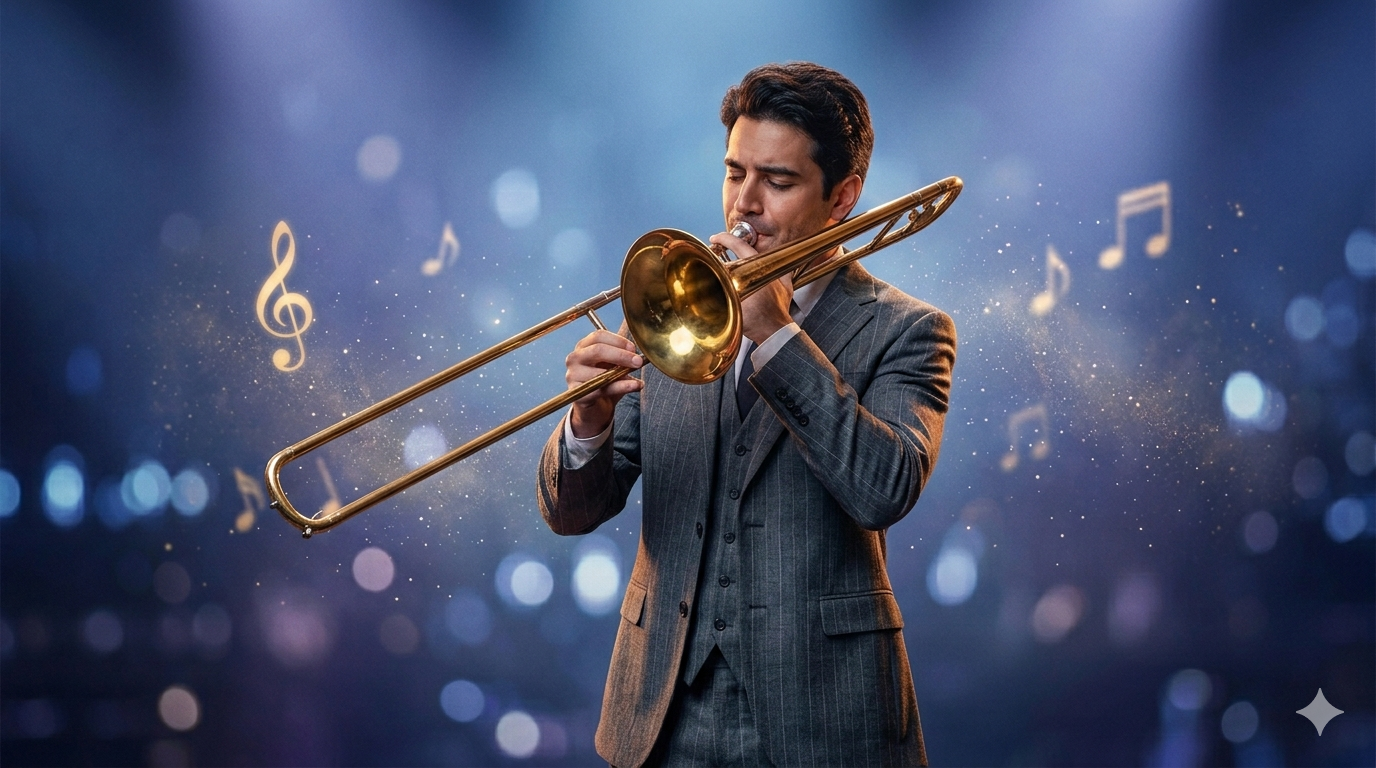
Structure, Endurance, and the Quiet Art of Support
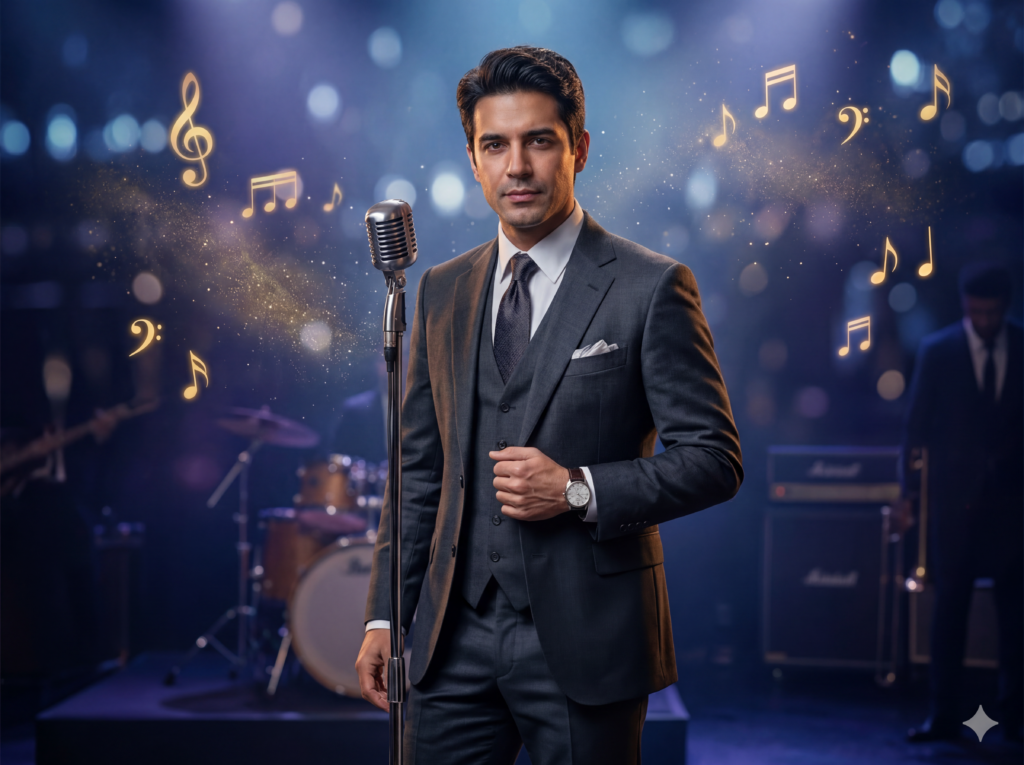
Marco Alessandro Weiss was born on November 4, 1998, in Charlotte, North Carolina, into a household shaped by two strong European traditions. His father, Italian by heritage, brought with him a reverence for craft, precision, and expressive music. His mother, German, instilled discipline, efficiency, and a belief that mastery is built patiently through repetition. Their shared values—work ethic, structure, and curiosity—formed the backbone of Marco’s upbringing.
Music entered Marco’s life early, not as spectacle, but as practice. He gravitated toward the trombone as a child, drawn to its breadth and physicality—the way tone was shaped by breath, posture, and control. The instrument demanded awareness of space and timing, an understanding of how individual parts fit into larger frameworks. It suited him.
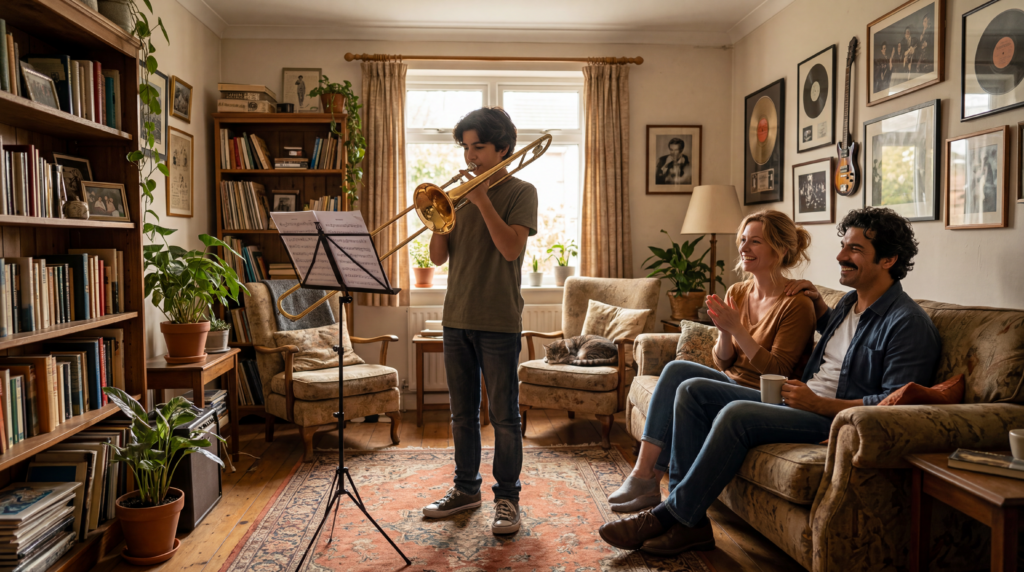
As he grew older, Marco’s interests expanded rather than narrowed. He learned other brass instruments, developed functional fluency in woodwinds, and became deeply interested in how music worked beneath the surface—form, pacing, balance. At the same time, he discovered endurance sports. Running became a parallel discipline, offering clarity through repetition, solitude through effort, and an understanding of limits—both physical and mental.
By his late teens, Marco was training at an elite level, eventually attempting Olympic qualification in distance running. Though he did not make the final selection, the experience reshaped his relationship with ambition. He learned that excellence did not require public recognition to be meaningful.
Music, meanwhile, remained central.
His acceptance into The Juilliard School marked a decisive shift. Leaving Charlotte for New York, Marco entered an environment of intense expectation and relentless talent. At Juilliard, he refined his trombone performance while expanding his understanding of composition, ensemble architecture, and contemporary music systems. He became known among peers as someone who could be relied upon—technically precise, emotionally steady, and unusually good at translating abstract musical ideas into practical execution.
It was there that he met Anita Celeste Bautista. He was a senior, and she was a sophomore.
Their connection formed through collaboration rather than attraction. Marco was drawn to Anita’s clarity of vision—her ability to integrate disparate genres without dilution or excess. He recognized her talent immediately and, more importantly, understood how not to interfere with it. His role naturally became one of refinement, reinforcement, and system‑building rather than authorship.
Outside of performance, Marco’s interests deepened into technology. He became fascinated with DMX lighting, electronics, and computer programming—particularly how sound could be extended into space visually. What began as curiosity evolved into expertise. He learned to synchronize tempo, dynamics, and harmonic shifts with lighting and effects, turning performances into cohesive sensory environments rather than isolated musical events.




Their relationship developed slowly, then seriously. After Juilliard, they made the rare and deliberate decision to separate for six months—an act of mutual respect rather than dysfunction. During that time, Marco gained full clarity about who he was as an artist and partner. He understood that his fulfillment did not come from standing at the center, but from building foundations strong enough for others to stand on.
They reunited with certainty.
Marco married Anita shortly thereafter in 2022 after the COVID-19 pandemic in a small civil ceremony at the Manhattan Marriage Bureau, officiated by a City Clerk wedding officiant, bringing his calm focus and technical mastery directly into their shared work. He never competed with her leadership, because he never needed to. His confidence came from competence, preparation, and trust.
Today, Marco Alessandro Weiss is both inside and outside the music—performing when needed, advising always, and shaping the environments in which Anita’s compositions fully come alive. He remains an endurance runner, a system designer, a problem solver, and a collaborator by choice rather than compromise.
He does not measure success by prominence.
He measures it by whether something works—and whether it lasts.
After graduation, real life intervened. Marco took a job as a security guard at Rockefeller Center, working rotating shifts while continuing to train, practice, and collaborate musically. The work required vigilance, discipline, and calm under pressure. He learned to observe without intruding, to maintain order without becoming visible. The role suited him more than he expected.